- Home
- About Us
- Resources
- Events
- Members Only
- Contact Us
- Join Now
September 2026, Volume 21, Issue 5 - Members Only
TABLE OF CONTENTS
Join the Flow, Grow with SESWA
As we begin a new membership year for the Southeast Stormwater Association (SESWA), I want to thank our members for their continued support, engagement, and commitment to advancing the stormwater profession across the Southeast. Membership renewals for fiscal year 2025-26 have wrapped up, and we’re excited to kick off another year following an exceptional year of growth and participation. |




|
Fall is here and it's pumpkin season! The tradition of carving a jack-o'-lantern was brought to the United States by Irish immigrants. They started carving pumpkins as they were native to the region. Trivia Question: Before pumpkins became the classic jack-o'-lantern, what vegetable was traditionally carved for Halloween? Bonus Fact: In addition to being native to the United States, pumpkins were easier to carve due to being larger and softer. |

Chart Your Course to SESWA's 21st Annual Regional Stormwater Conference
 Set against the beautiful back drop of the historic Grand Hotel Resort & Spa in Point Clear, AL, this year’s conference offers something for everyone. Get an early start to your conference experience on Wednesday with the many pre-conference options available for registration including the Flying Creek Nature Preserve Stewardship Service Project, the Nature Based Solutions Low Impact Development Projects Tour, or the Leveraging AI and Emerging Technologies for Smarter Infrastructure and Compliance workshop. Then, get ready for expert led sessions on Thursday and Friday, along with valuable opportunities to connect and network with colleagues from across the Southeast. From timely topics and practical insights to meaningful conversations and connections, this year’s conference is designed to make the most of your time with us. Online registration closed on Friday, September 25th. On-site registration will be available based on capacity beginning Wednesday, September 30th.
AI for Stormwater: From Patterns to Practical Decisions
Lisa Wells and Will Keuhne, Ardurra
Stormwater programs face a widening gap between what they are expected to manage and the resources available. Can artificial intelligence (AI) help address aging infrastructure, incomplete data, increasing flood risk, and expanding regulatory responsibilities? The answer is a qualified yes.
First, understand the tools -- beyond generative tools such as ChatGPT. Machine learning, predictive analytics, image recognition, and automation may help communities infer drainage networks from aerial imagery and LiDAR, identify patterns in infrastructure condition, forecast stream stages, and translate predictions into flood impacts.
Next, understand the limitations. A probable drainage connection is not a verified asset, and a forecast is not automatically an operational trigger. AI detects patterns and estimates probabilities; people must interpret meaning, context, and consequences. Results depend on data quality, validation, human oversight, and clarity about how the information will be used.
This is why the focus of the SESWA Pre-conference workshop at this year’s Annual Conference in Alabama is leveraging AI and emerging technologies for stormwater. Real-world examples demonstrate value. But it is imperative to understand limitations and how organizations can begin responsibly. When exploring AI, start with a defined problem, appropriate data, understanding objectives/guardrails clearly, and a plan to validate the results. Ultimately, the value will depend on the people putting it to work!
Shape the Future of Stormwater Management
The future of stormwater management in the Southeast depends on engaged professionals willing to step forward and lead. SESWA is seeking passionate members to serve on the 2026–2027 Board of Directors. Board service is an opportunity to share your expertise, help shape SESWA’s priorities, connect with stormwater leaders across the region, and contribute to the future of the profession.
While online nominations have closed, nominations will be accepted from the floor during the Annual Membership Meeting on Thursday, October 1, 2026, from 4:50–5:30 p.m. Central, held in conjunction with the SESWA Annual Conference in Point Clear, AL. SESWA members are eligible to vote and serve, and all conference attendees are welcome to attend. Whether you’re ready to lead, want to nominate a colleague, or simply want to learn more, we encourage you to get involved.
View current nominations on the SESWA Board Elections page and review the Elections Memo sent to members for complete details.
Step forward. Get involved. Help shape what’s next for stormwater in the Southeast.
Get Involved with SESWA
Looking to get more involved with SESWA and connect with stormwater professionals across the Southeast? Now’s your chance!
SESWA members are invited to serve on one of the Association’s four programmatic committees: Communications, Conference & Education, Membership, or Stormwater Policy. Committee service is a great way to share your ideas, expand your network, and help shape the programs and priorities that move our profession forward.
Whether you’re returning to a committee or getting involved for the first time, appointments are not automatic. All interested members must submit a Committee Request Form to be considered. Appointments will be made by the incoming President in early November, so don’t miss your opportunity to get involved and make a difference in SESWA and the stormwater profession across the Southeast.
SESWA Photo Contest - And the Winners Are...
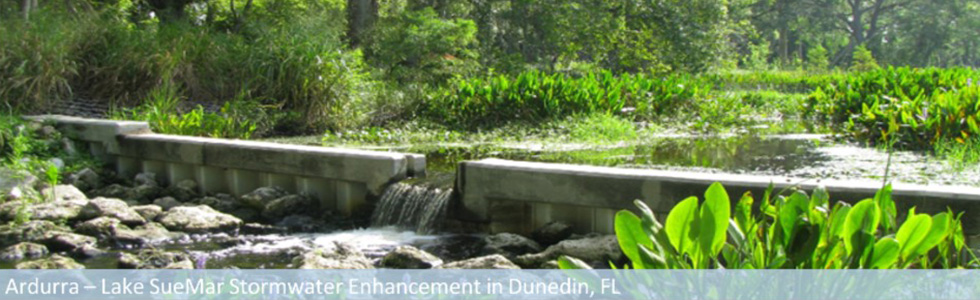
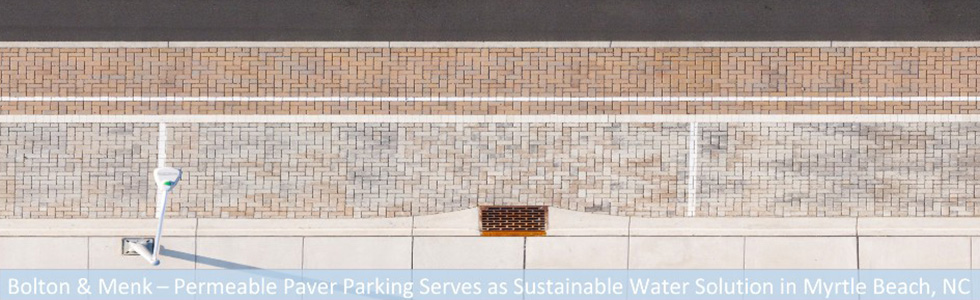
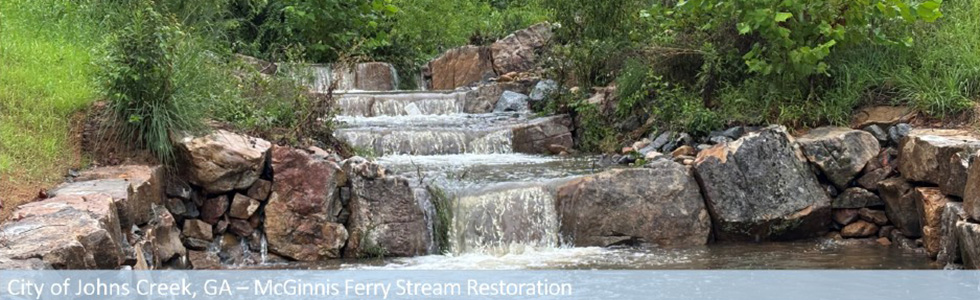
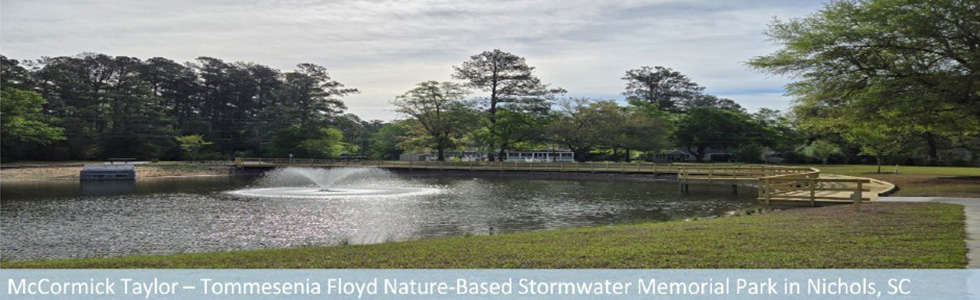
Thank you to the members who participated in the 2026 SESWA Photo Contest! This year's contest saw winners displaying completed projects, attractive streetscape elements with sustainable stormwater solutions, beautiful stream restorations, and increased public education opportunities. The winning photos are now featured on the SESWA homepage and other submittals can be found throughout the website. The winners of the 2026 Photo Contest are...
 |
 |
 |
 |
SESWA Community Forum – Learning, Connecting, and Growing
SESWA is committed to being a trusted resource and maintaining open channels of communication. As a member of SESWA you have access to an online Community Forum to post questions, share information, and discuss emerging issues with your peers throughout the Southeast! Learn by asking your fellow stormwater professionals questions that may help advance your stormwater program. Connect by sharing experiences and lessons learned. Grow by coming together on the Forum. Visit the Forum today to start the conversation or subscribe to an existing topic that interests YOU!

September Supplemental Rule for WOTUS
Kevin Coyne, SESWA
In the Southeast region, wetlands play a critical role in supporting stormwater programs, from helping to protect infrastructure, providing flood protection, water quality treatment, and beyond. One area that is still under debate is the way to regulate wetlands nationwide, and the current federal administration is looking to make an impact on wetlands regulation. On September 9, 2026, the EPA and the U.S. Army Corps of Engineers (USACE) published a notice to the Federal Register regarding a draft Supplemental Rule addressing Waters of the United States (WOTUS). The Federal agencies are requesting additional input on how several key terms should be defined in WOTUS, particularly terms that determine whether streams and wetlands have sufficient permanence or connection to regulated waters. The items for review and consideration include putting an explicit definition of perennial into the regulations, an additional approach for determining what constitutes a relatively permanent water, and the Supplemental Rule also proposes a more specific definition of continuous surface connection for wetlands. Overall, the Supplemental Rule is focused on adding to the November 2025 WOTUS rule and not making significant changes to what was previously reviewed and commented on.
Federal agencies are accepting comments on the Supplement Rule until October 9, 2026. SESWA will continue to track any revisions to the WOTUS rule and notify members if any significant changes take place after the Supplemental Rule review.

South Carolina’s MS4 Permits: Phase I vs. Phase II
Andrea Moreno, Town of Bluffton, SC
In South Carolina, the Department of Environmental Services (SCDES) regulates MS4s under two tiers: Phase I and Phase II. The requirements vary based on the size and designation of the regulated system.
Phase I covers large and medium urban areas with populations over 100,000 and major infrastructure like the South Carolina Department of Transportation (SCDOT), using individual permits. Phase II covers small MS4s (populations 10,000 to 100,000), typically under a general permit.
South Carolina has one large Phase I MS4 (SCDOT) and three medium Phase I MS4s (City of Columbia, Richland County, and Greenville County). These MS4s receive individual NPDES permits for their discharges. These permits must address 11 elements:
- Structural Controls and Stormwater Collection System Operation
- Areas of New Development and Significant Redevelopment
- Existing Roadways
- Flood Control Projects
- Municipal Facilities
- Pesticide, Herbicide and Fertilizer (PHF) Application
- Illicit Discharges and Improper Disposal
- Industrial Runoff
- Construction and Post-Construction Site Runoff
- Monitoring Program
- Public Education
By comparison, more than 70 small MS4s are regulated under Phase II. Operators may choose the general permit or seek individual coverage. These MS4s must develop and enforce a plan addressing six minimum control measures (MCMs).
- Public Education and Outreach
- Public Participation and Involvement
- Illicit Discharge Detection and Elimination
- Construction Site Runoff Control
- Post-Construction Site Runoff Control
- Pollution Prevention / Good Housekeeping
While both tiers are designated to reduce pollutants in stormwater discharges, the distinction is important for understanding which requirements apply to a particular MS4 and how those requirements are implemented.
NACWA Corner
Provided by the National Association of Clean Water Agencies
Matthew McKenna, Director, Government Affairs
 EPA Actions Signal a New Direction for Stormwater Policy
EPA and the Trump Administration recently announced several policy changes affecting Clean Water Act implementation and watershed restoration programs, including the withdrawal of multiple guidance documents and a review of stormwater funding approaches in the Chesapeake Bay watershed.
Taken together, the actions reflect a broader shift toward reducing reliance on agency guidance, emphasizing cost considerations, and reevaluating federal approaches to water quality management.
EPA Rescinds PFAS and Climate-Related Guidance
EPA recently withdrew several Office of Water guidance documents, including the agency's 2022 memorandum addressing PFAS discharges in NPDES permits, guidance related to climate change considerations in Total Maximum Daily Loads (TMDLs), and draft guidance concerning implementation of the Supreme Court's County of Maui decision.
The 2022 PFAS memorandum had become an influential reference for permit writers and regulators evaluating PFAS monitoring, industrial pretreatment programs, source control efforts, and permit conditions. Among other recommendations, it encouraged wastewater utilities to monitor PFAS in influent, effluent, and biosolids and pursue additional industrial source control measures. EPA stated that rescinding the document was necessary because its implementation had led to confusion and inconsistent application among states and permit authorities.
EPA also withdrew climate-related TMDL guidance that encouraged states to incorporate long-term climate projections into watershed restoration plans and pollutant reduction strategies. Critics had expressed concern that the guidance could lead to increasingly conservative loading assumptions and nutrient reduction requirements extending decades into the future.
While these actions do not change existing Clean Water Act requirements, they signal EPA's preference for formally developed regulatory policies rather than guidance documents that may be interpreted differently across jurisdictions.
Chesapeake Bay Order Targets Stormwater Fees
Of particular interest to the stormwater community, President Trump signed Executive Order 14428 revoking the 2009 Chesapeake Bay Protection and Restoration Executive Order. While the new order does not eliminate the Chesapeake Bay restoration program or existing watershed commitments, it specifically directs EPA to evaluate the financial burdens associated with stormwater management fees and explore alternatives that do not increase costs on residents.
The Executive Order repeatedly refers to stormwater fees as "rain taxes," arguing that some jurisdictions have imposed unnecessary financial burdens on homeowners and small businesses while producing limited environmental benefits. The Administration also directs EPA to encourage states and local governments to consider repealing or modifying stormwater fee programs.
For stormwater professionals, the debate highlights a longstanding challenge: stormwater management fees are frequently mischaracterized as taxes despite operating much more like utility fees. Similar to water, wastewater, electric, and solid waste utilities, stormwater utilities typically charge property owners based on the amount of impervious surface they contribute and the runoff they generate. Revenue is then used to fund drainage system maintenance, flood mitigation projects, water quality improvements, permit compliance activities, watershed restoration efforts, and other stormwater services.
Across the Southeast and the nation, dedicated stormwater fees have become a critical funding mechanism because traditional sources of local government revenue often cannot support the growing costs associated with regulatory compliance, aging infrastructure, increased development, and more intense rainfall events. By providing a stable and dedicated funding source, stormwater utilities allow communities to invest in infrastructure and environmental improvements while distributing costs more equitably among those generating runoff.
The Chesapeake Bay debate is particularly important because runoff from developed land remains one of the fastest-growing sources of water quality impairment throughout the watershed. State and local governments have invested billions of dollars in stormwater controls, green infrastructure, stream restoration, and related projects aimed at reducing nutrient and sediment pollution reaching the Bay. While opinions differ regarding the effectiveness of specific programs, most watershed stakeholders agree that stormwater runoff remains a major water quality challenge requiring continued investment.
Please contact Matthew McKenna, NACWA’s Director of Government Affairs, with questions.
Don't see news from your state?
Please contact us with your news or share your comments on our newsletter by emailing us at [email protected].

© Southeast Stormwater Association
PO Box 16098
Tallahassee, FL 32317
1-866-FOR SESWA (367-7379)
[email protected]
Back to top